
CONTENTS
BACKPACKING IN THE USA: HOW TO DO IT THE RIGHT WAY
Check out our cabin bag collection
View All


Explore the CabinZero ADV Collection
View All



Are you planning your backpacking trip to the USA? Have you had in mind a clear route and places to visit? Are you still confused about the essentials and a reasonable budget for a comfortable trip? Look no further. Cabin Zero has compiled everything you need when backpacking.
Below are the essentials, detailed routes packed with stunning destinations and tips to balance your budget for food, accommodation, and transport. It’s a nearly one-size-fits-all solution for any backpacker. So if you wish to save time, dive right into the first and foremost part, quick facts.
USA Quick Facts for Backpackers
|
Category |
Information |
|
Currency |
USD |
|
Visa |
There are 2 types of Visa:
Tourists can apply by completing the online DS-160 form, submitting photos, and attending an interview at a U.S. embassy/consulate. Eligible travellers from Visa Waiver Programme countries can usually visit for up to 90 days with an approved ESTA instead of a visa. More entry requirements here. |
|
Daily Budget |
Budget: $100 - $150/day Mid-range: $250 - $350/day Luxury: $800+/day |
|
Best Time to Go |
Spring (March - May): if you want mild temperatures, peach blossoms, and fewer crowds. Summer (June - August): if you enjoy coastal trips and want to attend major events. Autumn (September - November): if you love fall foliage, pleasant weather, and fewer crowds. Winter (December - February): if you’re into winter sports. |
|
Language |
English |
|
Culture |
Latin America, Europe, Asia, Africa. The US is a country of immigrants; you can find almost any culture that exists. |
|
Transport |
Flying, rental cars, subways, buses, cycling, walking. |
|
Accommodation |
Budget: under $100/ night (sometimes under $20 in certain areas or times) Mid-range: ~$100 - $300/ night Luxury: $300 - $5000/ night |
|
Buy at the airport upon arrival from major carriers (T-Mobile, AT&T, Verizon) for various plans, starting around $40-$50, with 10-15GB+ data and unlimited US calls/texts. |
CRUCIAL INFO: Managing Expectations for Backpacking In and Around the USA
The USA is a Big Country
USA backpacking is very different from Europe and most of Asia. It’s a massive country, and getting from one place to another is mostly by car or flight.
The distance from New York to Los Angeles is roughly the same as the distance from London to Tehran. Even "nearby" cities like San Francisco and Los Angeles are 6 hours apart by car.
Budget flights on carriers like Southwest often end up being the most practical way to cover a serious distance.
For instance, you could fly into New York, spend a week exploring the East Coast, then jump on a 5-hour flight to Los Angeles for less than the cost of a Greyhound seat.
So it makes more sense to explore one region at a time to make the most of your time and budget.
It Is Not The Most Affordable Country
As the most developed country in the world, visiting the US can be expensive and requires careful planning. Expect at least $150/day if you're travelling on a budget in rural areas, and around $700/day in major cities. It may sound intimidating, but don't worry - we'll help you plan your budget for food, accommodation, and entertainment below.
Public Transport is Limited

The US doesn’t have an extensive public transport system
It may sound contradictory to the remarkable development of the US, but it's true.
The country is enormous. Everything is far away, and you have to travel by car. Public transport between cities exists, but it’s not as convenient as in other countries. Therefore, if you want to backpack in the US, renting a car is a priority, particularly in rural areas.
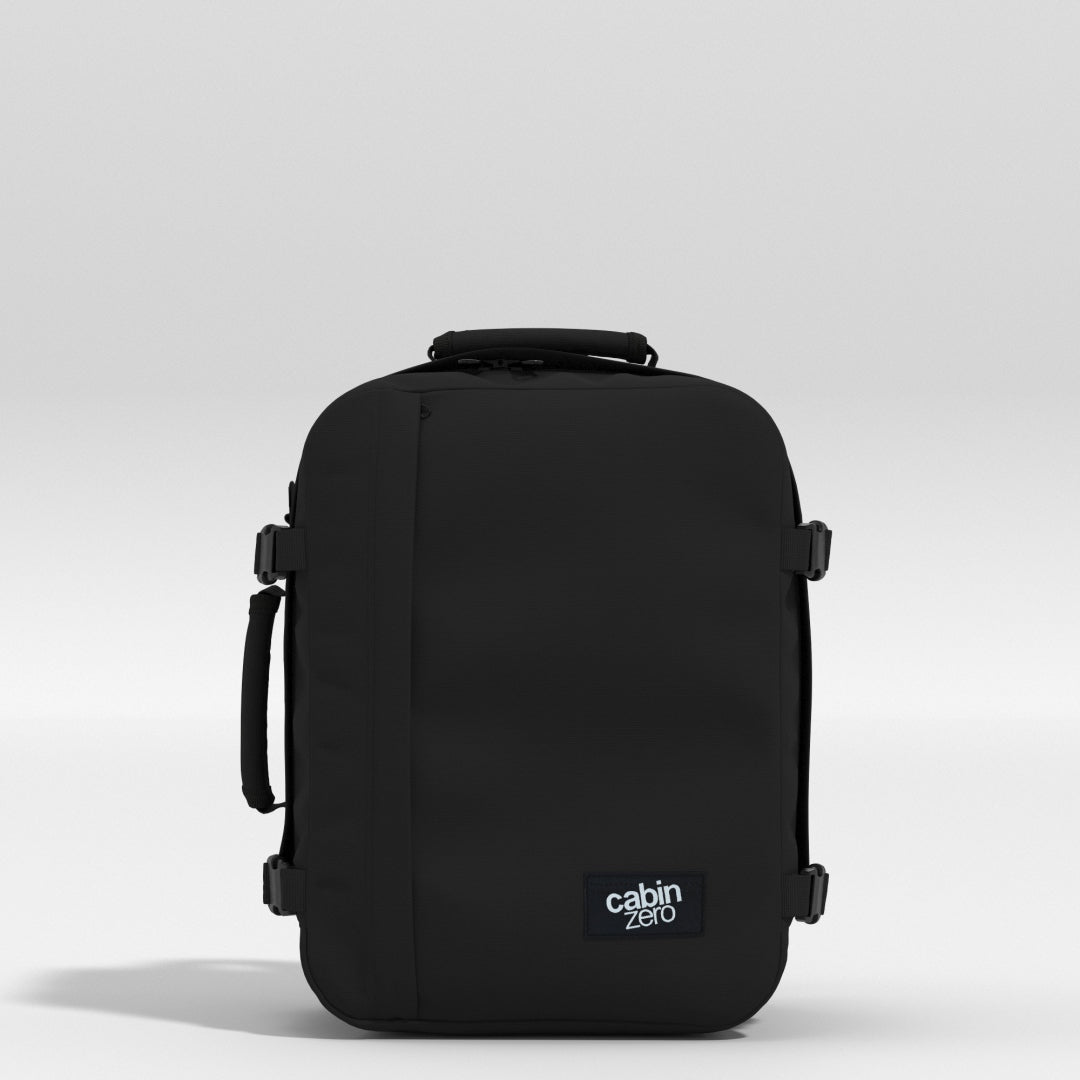
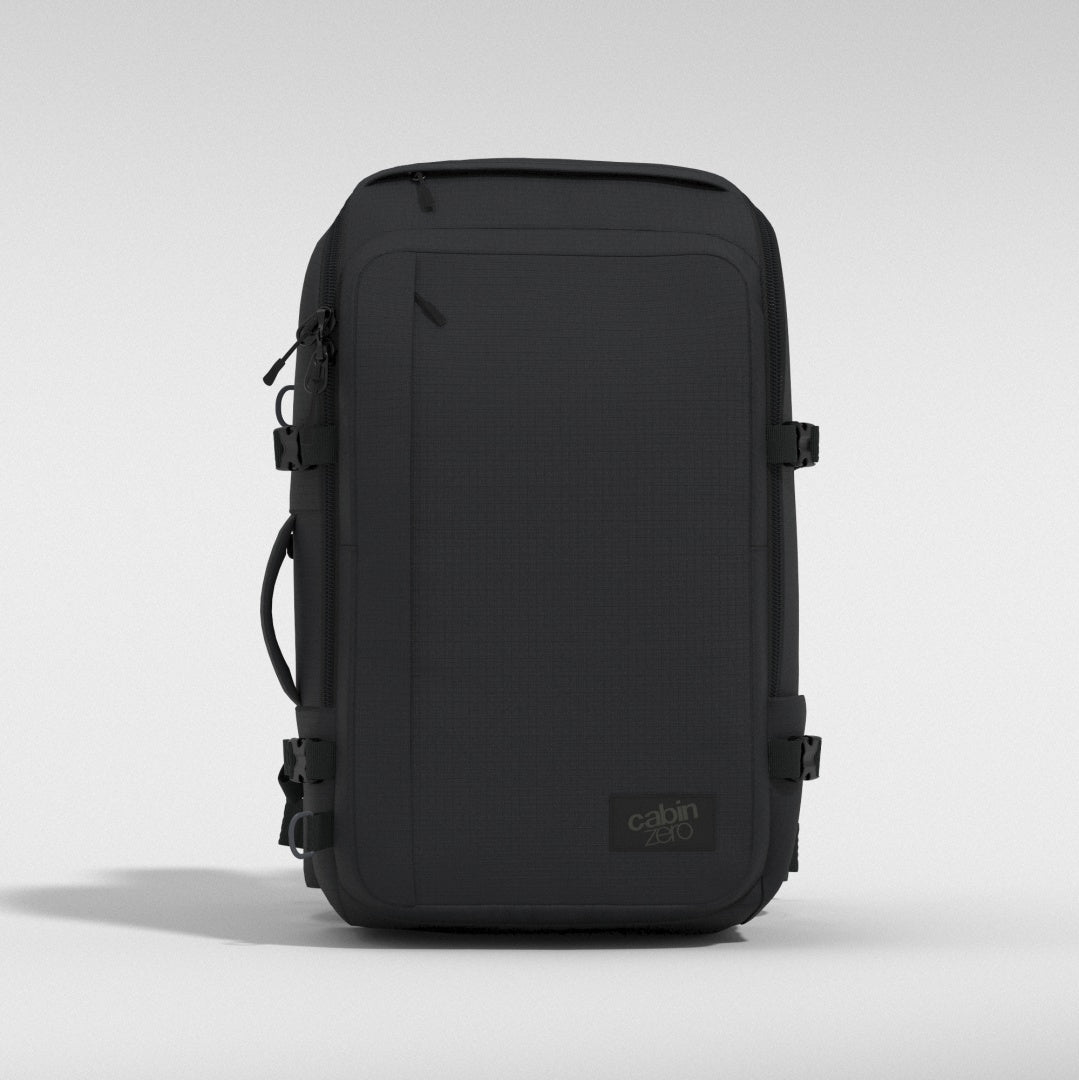
In the USA, you're likely loading and unloading from car boots and overhead compartments more than overhead lockers in hostels. A bag that's easy to grab and go — like our CabinZero Classic or ADV range — makes all the difference when you're doing airport runs every few days.
The Tipping and Tax Culture
Tipping culture is very popular in the United States, regardless of the service you use. At restaurants, 20% is the baseline for good service; 25% or more for excellent. For other services like hairdressing, delivery, and taxis, 10%-20% is acceptable.
However, you don't need to tip counter staff, coffee shop (baristas), or fast-food workers (unless their service is remarkable). Tip cash instead of card so they receive the tip immediately and avoid transaction fees.
When to Go: the Best Seasons for Your USA Trip
The US boasts diverse landscapes and numerous attractions, so no matter the season, you can have a memorable experience. If you visit during:
-
Spring (March - May), expect cool weather, fewer crowds, and lower prices. Along with autumn, it's the best time for outdoor activities like hiking.
-
Summer (June - August), be aware of hot weather, high prices, and large crowds. This is ideal for visiting beaches and attending festivals.
-
Autumn (September - November), is a great opportunity to see fall foliage, with pleasant weather and fewer crowds.
-
Winter (December - February), is perfect for skiing and festive holidays with fewer tourists in cities.
Step 1: Planning Your Route (Choose a Region)
To explore all of the US, you need at least a few months to a year, depending on your pace and the area you visit.

The East and West Coasts are unmissable when planning a backpacking trip in the USA. Photo by THANANIT on Adobe Stock
The most visited regions in the US include the East/West Coast, the West, and the Southwest.
-
The East/West Coast is home to major cities like New York, Miami, and San Francisco, and is ideal for those who prefer an urban atmosphere and cultural exploration.
-
The Southwest, on the other hand, offers a more expansive landscape with unique geology like deserts and red rock canyons, perfect for those who enjoy physical activities like hiking or skiing.
However, we understand that not everyone has months to travel. Therefore, below we suggest some routes within a reasonable timeframe of 3-4 weeks. Also, focusing on just one specific area will save you a lot of energy and allow you to fully enjoy your trip.
Option 1: The East Coast Classic (3-4 Weeks, No Car Needed)
If you're backpacking the USA for 3-4 weeks on the East Coast, you'll focus on exploring major cities like Boston, New York City, Philadelphia, and Washington, D.C.
The detailed itinerary will include:
|
Region |
Destination |
Duration |
|
Week 1: New England |
Boston, MA |
3-4 days |
|
Providence, RI |
1 day |
|
|
New Haven, CT |
2 days |
|
|
Week 2: Mid-Atlantic |
New York City, NY |
4-5 Days |
|
Philadelphia, PA |
2 Days |
|
|
Washington, D.C. |
2 Days |
|
|
Week 3-4: South |
Richmond, VA |
2-3 Days |
|
Charleston, SC |
4-5 Days |
|
|
Savannah, GA |
3-4 Days |

Boston is typically the first destination on your East Coast USA itinerary. Photo by iuliia_n on Adobe Stock
Week 1: New England
-
Boston (3-4 days):
In this city, which is renowned for its art and history, you'll get to admire many stunning works at Back Bay & Beacon Hill and the Museum of Fine Arts (MFA), or walk the historic path on Freedom Trail. In addition, as Boston is located right across from Harvard University, separated only by the Charles River, it’s an ideal opportunity to visit this world-renowned institution.
Public transportation in Boston is highly developed and relies heavily on the MBTA, with options such as the subway (the T), buses, commuter rail, and ferries, making it quite convenient to get around the city without a car. Remember to download the MBTA app or buy a CharlieCard/Ticket to pay fares.
-
Providence (1 day):
An experience in Providence is quite similar to Boston, where you can explore history and culture at the John Brown House Museum or take a walk along Benefit Street, known as the "Mile of History." You can also stroll through the Ivy League campus or head downtown to see the Rhode Island State House.
There are also fun activities like boat tours or a romantic gondola ride on the Providence River (evening, of course). If you visit at the right time, you can even see a WaterFire night with magical bonfires lit on the rivers. Providence is very walkable, so you can easily spend a whole day wandering between the sights.
-
Guilford/New Haven, CT (2 days):
You'll visit historical sites in Guilford and explore the culture of New Haven.
Some of the most notable attractions in Guilford are Guilford Green and the Henry Whitfield State Museum.
Be sure to find a restaurant near the Green or waterfront to enjoy beautiful views of Long Island Sound while dining.
New Haven is home to Yale University, so you can admire the stunning Yale University Art Gallery or explore the dinosaur skeletons at the Yale Peabody Museum.
Well, most of your trip in New Haven will revolve around Yale... and pizza! Don't miss New Haven's famous "apizza" (like Frank Pepe's or Sally's).
Week 2: Mid-Atlantic

Welcome to NYC - one of the most entertaining places on your backpacking USA trip. Photo by jonbilous on Adobe Stock
-
New York City, NY (4-5 days):
Four to five days is a reasonable amount of time to visit all the highlights of NYC. You'll get to see the Statue of Liberty and the legendary Times Square firsthand. Remember to budget, though, as the city can be expensive.
The most convenient transportation options when visiting NYC are the subway and buses.
NYC has a public transportation payment system called OMNY, which lets you pay with credit/debit cards, smartphones, or smartwatches without buying a physical card. Simply find an OMNY reader at subway turnstiles or on buses, and you're ready to go.
-
Philadelphia, PA (2 days):
This is the birthplace of America, boasting many "firsts" like the First Zoo, the First Hospital, etc., and is a UNESCO World Heritage City.
Here you'll find the most outdoor art in the US and can visit world-class museums like the Philadelphia Museum of Art and the Museum of the American Revolution.
The city is designed with a grid plan, making it easy to explore on foot. However, the public transportation system is also very well-developed and convenient.
Since you only have one day, take the PHLASH Bus, a tourist-focused bus service that passes through key attractions with all-day passes for as little as $2 per ride.
-
Washington, D.C. (2 days):
A trip to Washington, D.C. is an opportunity to explore many historic sites such as the Washington Monument, the Capitol & White House, and the World War II Memorial (most beautiful at night).
If you visit in the spring, you'll get to see the beautiful cherry blossoms around the Tidal Basin near the Washington Monument.
If you're mainly sightseeing in the Mall area, walking is the quickest option. For other landmarks around the city, the Metrorail (Subway) and Metrobus (get a SmartTrip card (physical or on your phone)) would be a more suitable choice.
Week 3 - 4: Southern Charm

A refreshing change for your backpacking trip to the USA. Photo by SeanPavonePhoto on Adobe Stock
-
Richmond, VA (2-3 days):
This city was once voted one of America's Best Towns to Visit in 2024 by CNN, boasting numerous tourist attractions ranging from natural wonders like the 100-acre Montgomery Park and Lewis Ginter Botanical Garden to historically significant sites such as the world-class Virginia Museum of Fine Arts (VMFA) and Hollywood Cemetery (resting place for US presidents).
For getting around downtown, you can use the GRTC Pulse bus rapid transit system, which is completely free and quite modern.
-
Charleston, SC (4-5 days):
One of the best cities to visit in the USA. One of the must-do activities here is the ghost tour, where you'll hear chilling ghost stories as you explore "haunted" places like churches, prisons, or even cemeteries.
After being quite frightened, you'll be taken to haunted bars and pubs to enjoy a glass of the region's speciality local beer.
Walking or using the free DASH trolley is best for exploring the city centre. If you want to explore the surrounding areas and suburbs, use the CARTA buses.
-
Savannah, GA (3-4 days):
The fastest way is to head to Historic District & Squares, walk or take a trolley tour through the 22 historic squares, and explore the history of Georgia's oldest city.
If you want to swim, head to Tybee Island. It boasts beautiful beaches and fresh seafood, just about 20 minutes from the city centre. If you prefer nature and don't want to travel far, you can relax and eat at Forsyth Park.
Besides walking, another option for exploring Savannah is the free Dot Express Shuttle, perfect for the sweltering summer heat.
For sightseeing around Savannah, there is the CAT Bus System and the Savannah Belles Ferry to cross the Savannah River.
Travelling between cities takes quite a long time, so we've spread the trip out to two weeks so you can relax and sightsee without getting exhausted.
It's best to travel from Richmond to Savannah first, then to Charleston, as there's a direct Amtrak train that doesn't require a bus transfer.
Option 2: The West Coast Dream (3-4 Weeks, Car Essential)
|
Week |
Destination |
Duration |
|
Week 1 |
San Francisco, CA |
2-3 Days |
|
PCH & Big Sur |
2-3 Days |
|
|
Week 2 |
Yosemite Nat. Park |
3-4 Days |
|
Sequoia Nat. Park |
3-4 Days |
|
|
Week 3 |
Lone Pine, CA |
1 Day |
|
Death Valley, CA |
1 Day |
|
|
Las Vegas, NV |
3-4 Days |
|
|
Week 4 |
Los Angeles, CA |
4-5 Days |

San Francisco is a great place to start your West Coast USA road trip. Photo by Maks_Ershov on Adobe Stock
Week 1:
-
San Francisco, CA (2-3 days):
This is a popular destination thanks to its many stunning attractions and iconic landmarks.
The scenery is also very diverse due to its seven distinct microclimates, allowing the city to experience different weather conditions simultaneously. You might be feeling hot in one place and cold in another. This also contributes to the iconic and vibrant scenery.
San Francisco has a well-developed public transportation system, so you don't need to drive to avoid parking fees, dense traffic, and steep hills.
You can use Muni (Metro & Bus) and BART (Bay Area Rapid Transit), the two most common modes of transport, or walk (but this isn't highly recommended due to the many hills).
Simply use Apple Wallet or Google Pay, add a transit card, and select Clipper to get a Clipper card for all transit.
You'll rent a car from here to get to your next destinations. There are many agencies in the city centre, especially near Union Square and Fisherman's Wharf, with average prices around $59/day.
Another option is Lyft, which offers simple pick-up and drop-off, and it also offers discounts for longer stays and has a fairly new fleet. Book early to get the best price.
-
Pacific Coast Highway & Big Sur (2-3 days):
You'll drive along the most beautiful coastal road in the US, stretching from San Francisco through Monterey → Carmel → Big Sur.
The total distance will be approximately 300 miles (500 km), and the total travel time will be 5 hours.
You'll start driving early in the morning on Highway 1 south and stop at Half Moon Bay for breakfast.
Half Moon Bay is a small town just 36 minutes from San Francisco with scenic coastal scenery. You can enjoy your breakfast while admiring the views before starting your journey to Monterey Bay.
Rest in Carmel, and you've completed your first week on the West Coast.
Week 2:

No matter how many times you see the view, you’ll still be in awe. Photo by Simon Dannhauer on Adobe Stock
-
Yosemite National Park (3-4 days):
As one of the most beautiful parks in the US, this place impresses many with its magical natural scenery.
You can also participate in many other outdoor activities, such as paddling, cycling, hiking, etc., and spot adorable wildlife like chipmunks, marmots, deer, and even bears.
Driving from Carmel to the park takes about 4 hours, so you'll want to arrive as early as possible, preferably before 8 AM, to secure parking in major lots like Yosemite Village or Curry Village, especially in the spring and fall - the peak seasons.
Once you've secured a spot, you can walk, bike, or use free shuttles to travel between attractions.
Yosemite Bug is a popular accommodation option you can consider. Alternatively, you can stay in an Airbnb or VRBO cabin in Fish Camp, which offers a wide range of prices (often affordable) and a convenient location just a few miles from the park.
-
Sequoia National Park (3-4 days):
If you get to see waterfalls, giant rock formations, and expansive landscapes in Yosemite, then in Sequoia, you'll be able to admire a forest of giant sequoias, the largest living trees on Earth by volume.
This is a popular tourist destination, so parking can be difficult, especially during peak season from June to August. Therefore, arrive as early as possible (preferably before 8 AM).
However, driving from Yosemite takes about 3 hours, so it's best to get plenty of rest the night before. So spend a day or at least half a day relaxing at a pre-booked lodge or campsite before starting your Sequoia tour.
Week 3:

Just take a short break at Lone Pine to recharge. Photo by Goldilock Project on Adobe Stock
-
Lone Pine (1 day):
Lone Pine is a small town about a 4-4.5-hour drive from Sequoia National Park. This will be a short stopover for you instead of driving a full six hours to Death Valley and exhausting yourself before you can experience anything.
Just drive slowly and enjoy the scenery, especially the Sierra Nevada. Once you arrive, the only thing you need to do is rest and recharge, perhaps take a leisurely stroll around the town centre.
-
Death Valley (1 day):
Can you imagine what the place you're about to visit is like just by hearing the name? That's right. This is the hottest, driest, and lowest point in North America, but it's also a famous national park in California.
Death Valley will welcome you with its harsh desert landscape, salt pans, Racetrack Playa with its mysterious "walking rocks," and record-breaking temperatures near 60°C.
Generally, this is a suitable destination for those who enjoy slightly extreme experiences, but it will also be very interesting for anyone.
However, due to its unique climate, it's best to visit in the spring or winter to comfortably participate in outdoor activities and take photos.
Camping at the Furnace Creek area campgrounds is the cheapest and most popular option (for backpackers).
-
Las Vegas (3-4 days):
Goodbye desert, and welcome to one of the biggest entertainment hubs in the USA. Travelling from Death Valley to Las Vegas is like travelling between two opposite extremes.
This is a fantastic opportunity to experience the famous High Roller Observation Wheel with its panoramic city views, numerous shows by famous artists, and, of course, the casinos.
Generally speaking, this city has almost everything, but it focuses heavily on high-end luxury experiences, so be prepared.
Despite being a megacity, you don't need to worry about traffic while driving; the city generally handles it well. Additionally, many attractions are quite walkable, especially the Strip.
Week 4:
-
Los Angeles (4-5 days):
End your backpacking USA trip at another megacity – the City of Angels and the world's film capital. You'll get to visit the Hollywood Walk of Fame, the Dolby Theatre, and Hollywood Sign Hill - no further description needed.
Option 3: The Southern Soul Trip (2-3 Weeks)
|
Week |
Destination |
Duration |
|
Week 1 |
Nashville, TN |
2-3 Days |
|
Memphis, TN |
1-2 Days |
|
|
Week 2 |
MS Blues Trail |
3-4 Days |
|
New Orleans, LA |
2-3 Days |
|
|
Week 3 |
Birmingham, AL |
1-2 Days |
|
Atlanta, GA |
2-3 Days |
|
|
Savannah, GA |
2-3 Days |
This is a great choice for those who love music and art and want to immerse themselves in melodies when backpacking in the USA.
Week 1:

Get ready to immerse yourself in a top-notch musical atmosphere. Photo by michelangeloop on Adobe Stock
-
Nashville (2-3 days):
Nashville is a top destination for both music lovers and tourists. Here, you can participate in a variety of musical activities such as visiting the Country Music Hall of Fame, touring the historic Ryman Auditorium, watching a show at the Grand Ole Opry, or enjoying live music on Broadway.
Besides being a UNESCO City of Music, Nashville also offers the chance to enjoy authentic Southern cuisine with dishes prepared by top chefs, especially the famous "Nashville Hot Chicken".
If you only plan to explore the city centre, renting a car isn't necessary as the landmarks are relatively close together. Furthermore, parking is quite expensive, so the best option is to combine Uber with walking.
However, you should still rent a car from Nashville on the last day here to explore the next stops.
Agencies you can consider include Avis, Hertz, or National, as they often offer good prices. Don't forget to compare prices on Expedia and choose a "one-way" rental option, with Savannah Airport as the drop-off point.
-
Memphis (1-2 days):
If you're a music lover, Memphis is a must-visit destination. It is the birthplace of rock 'n' roll and the home of the blues. Music landmarks you can visit include Sun Studio, Graceland (Elvis Presley's mansion), and Beale Street. You'll also have the chance to enjoy many exciting live music performances of all genres.
Compared to other cities, Memphis has significantly more green spaces perfect for relaxation and immersing yourself in nature. Be sure to visit Shelby Farms or Overton Park; the scenery there will surely amaze you.
Week 2:
-
Mississippi Blues Trail (3-4 days):
This route is for those with a deep passion for blues music. You'll travel from Memphis down to Clarksdale, through Greenwood, and then to Indianola. Each place has its own musical story that you need to explore slowly, not rush.
Whilst Memphis has Elvis Presley, Clarksdale has the famed Crossroads (intersection of '61 and '49), where Robert Johnson sold his soul to master guitar. Remember to visit the Delta Blues Museum and Ground Zero Blues Club.

A USA backpacking trip for the blue enthusiasts. Photo by Pierre-Jean DURIEU on Adobe Stock
Over time, many landmarks have lost their original authenticity, mostly being re-enactments; however, you can still see the effort to cherish the musical history of the people here.
Mississippi has a slow and unpretentious pace, but that's precisely why it's the birthplace of blues music. Try talking to the elderly people here; you'll hear interesting stories and relive history.
-
New Orleans, LA (2-3 days):
Tourist activities here are described as quite relaxing, and riding the St. Charles streetcar from the canal all the way uptown to the end of the line is a highly recommended experience.
Many people also enjoy sitting alone, savouring beignets, and watching the clouds and lightning over the Mississippi. The architecture here is also beautiful and perfect for photography, especially the jasmine-covered walls.
Don't forget to try free guided tours of the Sculpture Garden behind NOMA or a swamp tour and visit the Historic New Orleans Collection to learn about the city's history.
Finally, how can you miss the bars? Dress up nicely and head to Carousel Bar for a cocktail, or go to Pat O’Brien's for a piano performance if you're a music lover.
Week 3:
-
Birmingham, AL (1-2 days):
Birmingham is widely praised as one of the most livable cities in the USA. A unique and much-loved aspect is its traffic, which is considered much more organised and less congested than in many other cities.
If you love art, head to Art on the Rocks, Birmingham Art Walk, and Magic City Art Connection for exciting festivals and events.
You can also watch professional sports like soccer, volleyball, basketball, or hockey (they're quite affordable).
Birmingham serves as a transit point before Atlanta, so you can simply experience life like a local at a relaxed pace.
-
Atlanta, GA (2-3 days):
This is one of the largest cities in the US and a major economic, cultural, and historical hub.
So it will be sure to provide you with memorable and exciting experiences when backpacking in the US. All the attractions and landmarks here are very popular and frequently visited, so you'll inevitably encounter crowds.
One of the most famous is the Georgia Aquarium with over 100,000 different marine animals.
If you want to learn about history, don't miss the Atlanta History Center (the Swan Mansion was used in the Hunger Games) and the Carter Presidential Library.
-
Savannah, GA (2-3 days):
Refer to the Savannah section in option 1 above.
Step 2: Set Your Daily Budget

An American backpacking journey requires a hefty sum. Photo by kosoff - stock.adobe.com
Accommodation
Hotel prices vary by area, from city centres to suburbs. Generally, you should allocate 25-33% of your total budget to accommodation. In major cities, a nightly room typically costs $250-$350, while in rural areas it's $50-$100, or camping for $0-$30.
To secure better rates, book early and avoid peak season, especially in major cities. Ideally, book at least 2-3 weeks in advance.
Food
If you only eat at restaurants (not likely), it will cost around $35/person/day on a budget.
You can also choose trail food like oatmeal, pasta sides, and protein bars bought in bulk for only $10–$20/day.
Another option is street food, especially in big cities. You don't need to spend a lot of money to enjoy delicious food like halal carts ($6-$10), hot dogs ($1-$5), empanadas or churros ($4), sandwiches ($4-$5), or pizza ($2/slice).
Food trucks sell quite expensive items, so unless you really want to experience it, avoid them.
A great way to eat cheaply and healthily is to make a quick grocery run every few days instead of eating out for every meal. Chains like Walmart, Kroger, Aldi, and Trader Joe's are everywhere across the USA and offer affordable basics — bread, deli meat, fruit, yoghurt, and snacks — that can fuel a full day of travel for under $10.

Fast food trucks can be expensive at times. Photo by Rawf8 - stock.adobe.com
Transport
The most expensive expense is probably car rental, as you'll have to pick it up at one point and drop it off at another, plus gas, parking fees, and tolls.
To optimise costs, consider signing up for a Costco membership and renting a car through them; it's been the cheapest rate, and they have good customer service.
-
Also, if possible, avoid picking up cars at the airport to avoid fees.
-
Make sure you choose a company that explicitly allows cross-state travel.
-
Check your tyres thoroughly.
-
Choose an SUV for more off-road capability.
-
Stick with unlimited miles.
-
Don't use the daily rate. Opt for a short-term description, which will cost you around $1000 per trip plus $15-$35 per day for gas.
On the other hand, if you rely on public transport, you'll need about $10-$20 daily for city metros, buses, or rideshares.
Choosing daily/weekly passes will save you even more money.
You'll be using Amtrak to travel between cities, so remember to book in advance as last-minute transport is more expensive.
Activities
Before allocating funds for activities, you need to plan in detail the places you will visit. A reasonable daily budget for activities usually ranges within a $50-$60 range. If you spend $100 on a guided tour one day, plan for two days of free-cost activities (e.g., hiking) to balance your budget.
However, not all activities in the US cost money, such as hiking, beach trips, walking tours, and museum days, so you can take advantage of them.

Having an enjoyable trip is most important.
Step 3: Tips For Backpacking Around the USA on a Budget
The most important thing when budgeting for backpacking in the USA is keeping track of your expenses. Apps that can help you do this include Trail Wallet, Spendee, TravelSpend, or the simplest and freest: Google Sheets.
However, remember that the most important thing is that you enjoy your trip, so if spending an extra $5 makes you more comfortable and happy, don't hesitate.
Spend more time staying at attractions (ps: National Parks) because it will save you travel time and give you a chance to organise your trips on your own, rather than booking tours.
Don't eat at restaurants too often because you'll have to budget an additional 10-15% for tips (this is a mandatory custom in the US).
Domestic flights in the USA can be surprisingly affordable, especially on budget carriers like Frontier and Southwest. If you're flexible on dates and book 3–6 weeks in advance, you can often find coast-to-coast flights for $50–$100.
One of the easiest ways to save money on flights across the USA is simply avoiding checked baggage fees. CabinZero bags are designed to meet carry-on and personal item size limits on most major airlines. That's a saving of $30–$70 per flight, which adds up fast on a multi-city trip.
Shop CabinZero bags and never pay a baggage fee again.
Step 4: Accommodation for Backpackers
The most popular options for backpacking in the USA are hostels, motels, and camping.
Camping is the cheapest (obviously), even free if you have your own tent and can find a place to camp for free; otherwise, you'll only have to pay around $25, especially in national parks.
If you don't like that kind of "wild" experience, then hostels or motels (private rooms or dorms) are a good option.
HI hostels are reputable, often featuring shared kitchens and social spaces. Alternatively, you can consider smaller, local guesthouses to save money (if you're brave enough to ask if you can stay with someone, of course).
A Note on Wilderness Backpacking and Thru-Hiking

Always make sure you prepare thoroughly when backpacking in the USA.
Thru-hiking is a long journey in both distance and time, so you need to prepare very carefully. You will need:
-
Gear (The Big 4): Backpack, shelter, sleeping bag, and pad (make sure they are lightweight)
-
Safety (10 Essentials): Navigation tools (map/compass), sun protection, insulation (extra clothing), illumination (headlamp), first-aid supplies, fire starter, repair kit/tools, nutrition (extra food), hydration (extra water), and emergency shelter.
-
Leave No Trace (LNT): This is already self-explanatory.
-
Physical Conditioning: Hiking for months in varying weather conditions? You need to be in stable to very good physical and mental health.
And an even more detailed list of the essentials.
The USA Is Waiting for You
The USA is vast and can be overwhelming, but it also offers an unforgettable experience. So, are you ready for a backpacking USA journey? If you're still hesitant, reread the carefully compiled information above. Cabin Zero is confident that with what we've provided, you'll have the most memorable trip.
Leave a comment to let us know if you have any further questions. Don't forget to follow Cabin Zero's social media pages for the latest and most useful travel tips and shopping information.
Duyen Pham


Leave a comment